🪰 Hollywood Execs Shoved Shirley Temple Into a ‘Black Box.’ Literally.
THE BUZZ
- The curls were cute. The system wasn’t.
- A black box waited off-camera.
- Stardom came with a price tag.
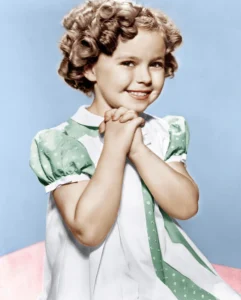
Most people remember Shirley Temple as the adorable childhood star during Hollywood’s heyday.
The Dimples. Tap shoes. Bouncy ringlets. That heartwarming little smile. On the Good Ship Lollipop. She became the kind of child star whose image was so relentlessly cheerful that it eventually hardened into American nostalgia.
Which is precisely why the story about the ominous “black box” sounds practically unbelievable the first time you hear it.
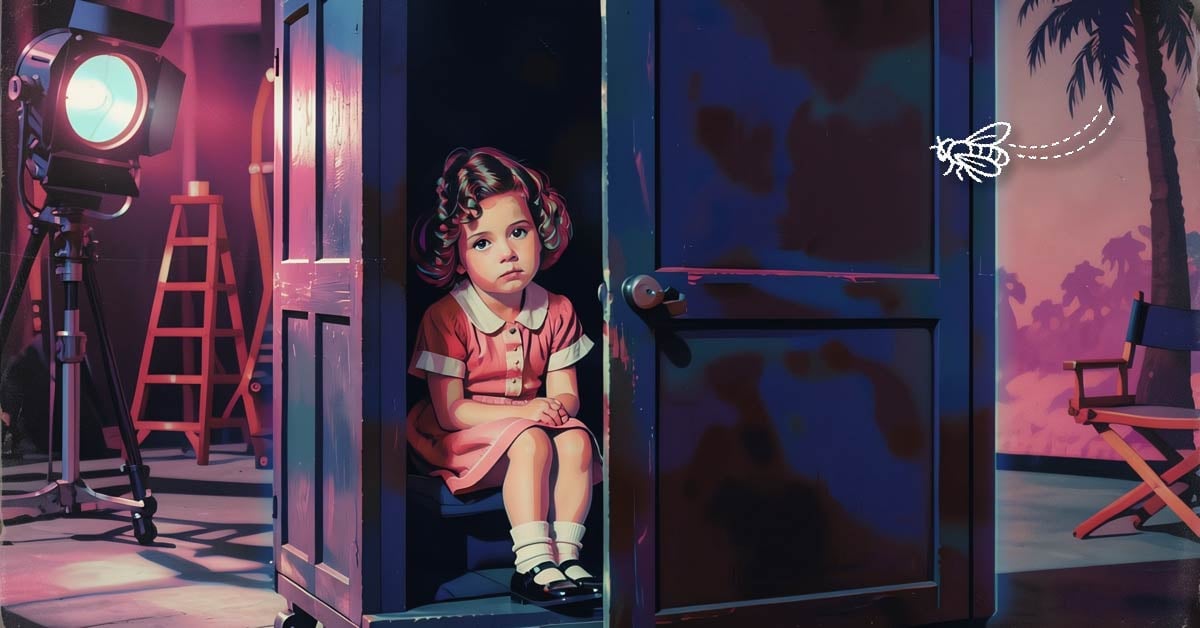
A TikTok video explains that when Temple was still a preschooler working in Hollywood, children who misbehaved on set would be taken away and locked alone inside a dark punishment box, sometimes with a block of ice that they would be forced to sit on.
It honestly sounds like some kind of grotesque TikTok rumor, but it’s true, and Shirley Temple has the receipts to prove it.
@peytonglow1 They really made her dress in the shortest dresses to dance in #america #celebrity #tragic #shirleytemple #sad ♬ original sound – PeytonGlow
The Black Box Wasn’t a Metaphor
Temple’s career began with a series of short films called Baby Burlesks, made when she was only three and four years old. The concept was bizarre even by early-Hollywood standards: very young children performed parodies of adult movies, dressed like grown-ups from the waist up while frequently wearing diapers below, mimicking adult dialogue, flirtation, arguments, and movie-star mannerisms they were far too young to understand. Temple would later describe the series as an exploitation of the children’s innocence.
@hollywoodhistory Shirley Temple’s Baby Burlesks 🧊 #shirleytemple #hollywoodhistory #oldhollywood #babyburlesque ♬ Creepy and simple horror background music(1070744) – howlingindicator
Yeah, calling it disturbing would be a major understatement…
And the horrors continue when you learn the tactics they used to keep a room full of preschoolers on schedule.
According to Temple’s later account, director Charles Lamont had access to a portable sound booth originally designed for technicians. It was dark, enclosed, and effectively windowless, and one of the booths sitting on the Baby Burlesks set had been emptied out except for a large block of ice.
That became the punishment room.
Children who disrupted filming would be shut inside until they were considered sufficiently chastened. Temple said she ended up there several times.
And the ice wasn’t some crazy embellishment added later to make the story uglier. Temple specifically remembered it.
Looking back years later, she described the experience as the thing that taught her a brutally simple rule: time was money, and children learned quick that slowing production had consequences.
Shirley Wasn’t the Only Kid Hollywood Broke
The whole black box thing sounds especially horrifying because we’re looking at it through modern eyes. Locking a child in darkness because of a slowdown in production feels completely deranged, so much so that it’s tempting to treat Shirley Temple’s experience as an especially grotesque corner of early Hollywood.
But unfortunately, it wasn’t just Temple who faced the dark side of Hollywood.
Jackie Cooper was eight years old when he made Skippy in 1931. The film required him to break down sobbing for one particularly emotional scene, and when Cooper couldn’t produce the tears his director wanted, the adults on set found another disturbing way to get them.
The director was Cooper’s own uncle, Norman Taurog, and according to Cooper’s later autobiography, Taurog threatened to take the boy’s beloved dog away. Then an armed studio guard took the dog offstage, and Cooper heard a gunshot. He genuinely believed they had shot his dog.
Cooper understandably became hysterical. After all, this is a child already working under extreme pressure, and he just heard his dog being killed offstage. Even a grown adult would break down in hysterics.
In the end, the cameras got their crying scene, and only after he finished performing did the production crew reveal that his dog was perfectly fine. Cooper later wrote that no amount of money or career success could compensate for what a child loses when a normal childhood gets traded for movie stardom.
But Cooper and Temple’s stories are only the tip of the iceberg.
Hollywood royalty and megastar Judy Garland was only 13 when MGM signed her in 1935. During her time on the silver screen, she describes unbelievable studio pressure over her weight, punishing schedules, and the use of pills to keep her and other young performers working and then get sleep afterward. Garland later alleged sexual harassment by studio executives as well.
It’s tragic because audiences saw a teenager with an enormous voice and a relentlessly sunny onscreen presence. But what was happening behind closed doors was darker than anyone could ever imagine.
Back in those days—and heck, even today—children could become extraordinarily valuable employees before they were old enough to understand employment, contracts, money, or what adults were asking them to portray.
They were the perfect marionette for money-hungry parents and studios.
The Laws Changed. But Did Hollywood?
If Shirley Temple walked onto a California movie set as a three-year-old today, the circumstances would likely be a lot different.
California now limits how long children can work and even how long they can remain at the workplace. A child between two and six, for example, can generally perform for only three hours in a day and spend no more than six hours at the employment site. Certified studio teachers are required, and their job isn’t limited to keeping young actors caught up on arithmetic between takes. State regulations specifically make them responsible for the child’s health, safety, and morals while working.
The state has also started paying much closer attention to the adults who gain access to young performers.
Since 2013, people providing certain paid services to child performers have had to obtain a Child Performer Services permit, a system that can include fingerprinting and criminal-background checks. Registered sex offenders are barred from providing those services.
And California is still adding protections now.
Beginning January 1, 2026, talent agents, managers, and coaches who work with minors became mandated reporters, meaning they’re legally required to report known or suspected child abuse.
All these safeguards are certainly welcome. However, a child actor is still a child surrounded by adults who understand contracts, careers, and consequences in ways the kid simply cannot.
Success can support an entire family. A director can decide whether there’s another episode. An agent can decide whether there’s another audition. A trusted coach can become someone a young performer believes they’re supposed to obey.
This isn’t to say that every child actor is being mistreated, and it certainly doesn’t mean Hollywood today is simply the 1930s with better cameras.
But it does make one wonder: even if every law and regulation were fully enforced, how safe can children truly be in the adult workforce?
THE LANDING
The black box disappeared, but the reason it existed is harder to legislate away.
STAY CURIOUS
Three more stories worth your curiosity.






Post Comment