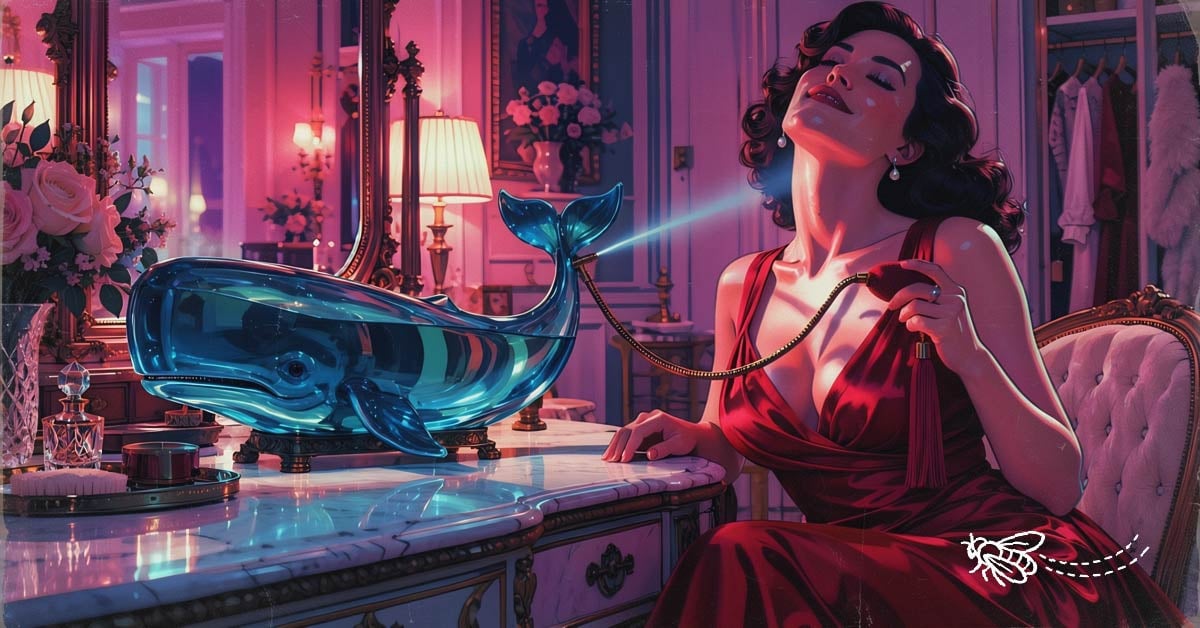
🪰 FYI: You Don’t Realize it, But You’re Spraying Whale Poop On Yourself To Smell Good…
THE BUZZ
- Whale gut gunk got a luxury rebrand.
- “Animalic” is doing some heavy lifting on that label.
- Ambergris is whale doo-doo with excellent PR.
That’s One Way to Smell Expensive
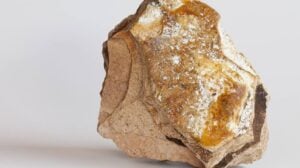
At first glance, this highly coveted lump looks like something you’d step around on the sidewalk, not gleefully spray all over your body.
@one.bold.chemistYes, you’re spraying synthetic whale poop on yourself to smell good😭🙏🏻♬ original sound – one bold chemist USA
In a TikTok from One Bold Chemist, this guy slices into it what’s described as “whale poop, worth over $10,000.” All of a sudden, the black gloves make sense.
He’s talking about ambergris, a waxy material that forms inside sperm whales and has a long history in perfumery. These days, that whale connection often comes through manufactured ingredients that recreate parts of its scent without using actual whale material.
Chemistry has thankfully made it possible for us to get the joys of spraying whale poop on ourselves without actually having to spray fecal matter.
Louis Vuitton’s Imagination, one of the fragrances mentioned in the video, uses Ambrox, a molecule also found in ambergris. According to the brand, it was the starting point for a five-year creative process involving black tea and citrus. That’s quite a journey from a whale’s digestive tract to somebody’s date-night fragrance.
But getting from one to the other takes more than a fancy bottle.
It Starts With a Delicious Squid Dinner
Sperm whales eat squid, including the hard, sharp beaks that don’t digest easily. Usually, those troublesome leftovers get vomited back out. Occasionally, they reach the intestines, where they can become bound into a growing mass of ambergris. Researchers think this may help protect the whale’s insides from the sharp bits.
“Whale poop” is the quick internet version, but ambergris is an unusual intestinal mass, and exactly how it leaves the whale is still debated. In fact, large pieces may only be released after the animal dies. Hence why a hunk of this stuff can sell for $10k or more.
Fresh ambergris also smells about as one would guess. To put it frankly, it smells like poop, not roses. Once it reaches the ocean, exposure to sunlight, air, and salt water gradually changes it. The dark, sticky material can become paler and waxier, losing its foul odor as it weathers.
Mature ambergris develops a more pleasant, musky scent. Perfumers also valued its ability to help a fragrance linger, which explains why anyone bothered with the stuff in the first place.
The Whale Wasn’t Working Alone
Turns out, whale poop isn’t the first time humans have decided to take odd secretions from animals and spread it all over their body.
Take musk, a fragrance note that seems as common and unassuming as rose, but I assure you, its origins are anything but rosey.
@iambillydavis The story behind Musk in perfumes and where it comes from. #fragrance #perfume #cologne ♬ original sound – IAmBillyDavis
Traditional deer musk came from a scent gland in male musk deer. And through some bizarre process, it was discovered that its powerful odor became more pleasant when diluted, and it helped fragrances last longer.
Then you have civet, which could possibly be the most uncomfortable of them all.
@one.bold.chemistThe story of CIVET😳♬ original sound – one bold chemist USA
The small mammal produces a pungent secretion near its anus to mark its territory. Perfumers found that, used sparingly, the material could soften into a useful addition to floral blends. Sylvaine Delacourte, formerly Guerlain’s director of fragrance creation, describes raw civet as intensely animalic, even fecal. Apparently, someone smelled that and decided that would be a perfect accompaniment to tuberose.
And last, but certainly not least, we have castoreum, a material sourced from the castor sacs near the base of a beaver’s tail.
@nose.at.noise Let’s talk about castoreum 🦫 Special mention to @alarum.lab & @𝕽𝖎𝖒𝖔’𝖘 𝕾𝖈𝖊𝖓𝖙 #nichetok #perfumetok #castoreum #nicheperfume #fragance ♬ sonido original – η𝗈𝗌𝖾 𝖺𝗍 η𝗈𝗂𝗌𝖾
In perfume, it can bring a smoky, leathery character. The Perfume Society describes the concentrated material as intensely reminiscent of birch tar and leather, becoming more appealing when blended with other ingredients. That sophisticated leather note has a considerably less sophisticated origin story.
So really, whale poop is the least of our concerns here.
If anything, the big question is how, and I mean how, did humans look at a bum hole or mysterious sack under a beaver tale and think, “Hmmm, you know what I could do with this? MAKE A DELECTABLE SCENT.”
Human ingenuity never ceases to amaze.
THE LANDING
Somewhere in perfume’s history, somebody smelled something deeply questionable and decided everyone should wear it.
STAY CURIOUS
Three more stories worth your curiosity.






1 comment